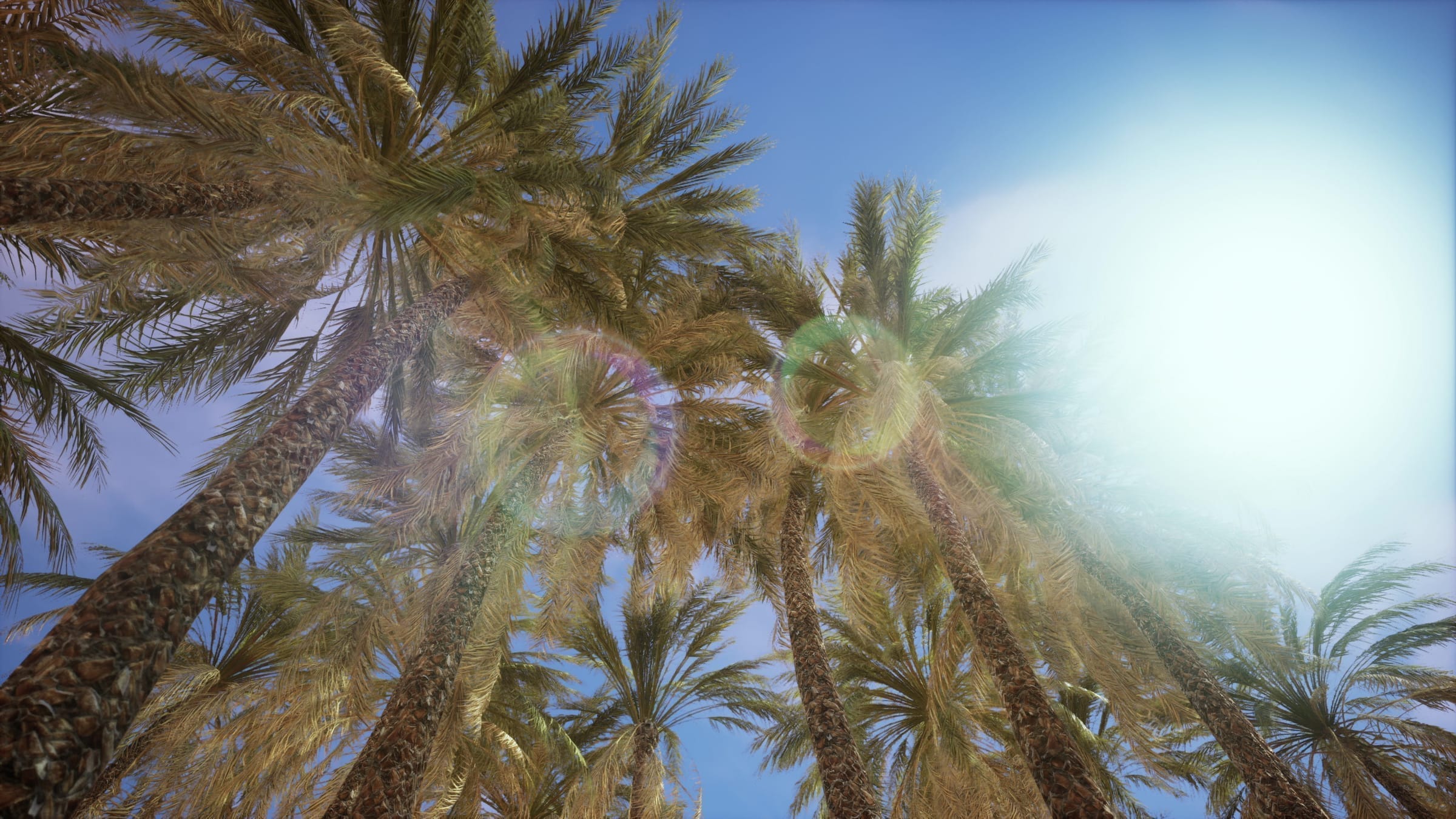
The Edison Royal Palms: A Century of Florida Tree History
Thomas Edison ordered the original McGregor Boulevard royal palms planted around 1908. Today's row is a mix of originals, replacements, and ongoing additions. Here's the story of one of the most famous tree plantings in the United States.
McGregor Boulevard runs along the Caloosahatchee River from downtown Fort Myers to the Sanibel causeway — about 15 miles of arrow-straight road lined on both sides with royal palms. It's one of the most photographed avenues in Florida, and it exists because Thomas Edison wanted it to.
Around 1908, Edison — wintering at his Fort Myers estate — ordered the first 200 royal palms planted along the stretch of road in front of his property. The decision shaped Fort Myers' landscape identity for over a century.
Why royal palm
Royal palm (Roystonea regia) is native to extreme southern Florida and the Caribbean. In 1908, it was already known as one of the most distinctive ornamental palms — smooth gray columnar trunks, dramatic crownshafts, large arching pinnate fronds, self-cleaning habit. Edison was a horticultural enthusiast as well as an inventor, and the choice of royal palm over alternatives reflected the species' visual presence at scale.
The original Fort Myers plantings used royals propagated from seed, since the species cultivation industry was relatively new in Florida at the time. Many of the original Edison-era specimens lived for decades; some are still standing.
The boulevard evolves
The original Edison row of 200 was extended in subsequent decades — the City of Fort Myers planted additional royals along the full length of McGregor, ultimately reaching the current total of several thousand palms lining both sides of the avenue. Replanting and replacement has been continuous: hurricanes (especially Charley in 2004 and Ian in 2022) took toll on individual specimens, lightning strikes killed others, and the City has maintained a steady program of replanting matching trees.
Today's McGregor row is a mix of original Edison-era survivors, mid-20th-century additions, and recent replacements. Looking down the row, you can't easily tell which trees are originals — but knowing some of them are 110+ years old changes how you walk the street.
“Some of the McGregor royal palms have been standing since Theodore Roosevelt's first term.”
Lessons from a century of one species
The McGregor Boulevard plantings are functionally a century-long horticultural experiment in royal palm performance in Southwest Florida. What we know from those plantings:
- Royal palms are remarkably long-lived. Many of the Edison originals survived multiple major hurricanes including Donna (1960), Charley (2004), and Ian (2022).
- Lightning is the single biggest threat to mature royals on McGregor — tall isolated specimens take strikes, and a strike usually kills the palm.
- The species' self-cleaning habit is genuine — minimal maintenance is required for the row.
- Hurricane survival rate is high but not perfect. Royal palms perform better than queen palms in major storms, but not as bulletproof as sabal palm.
- Disease pressure has been variable but manageable. Lethal yellowing and other diseases have hit individual trees but never decimated the row.
The City's ongoing care
The City of Fort Myers manages the McGregor row as both a horticultural asset and a heritage landscape. Maintenance includes routine inspection (the trees are large and the boulevard is high-traffic), occasional removal of lightning-struck or storm-damaged specimens, replanting to maintain the visual continuity, and periodic structural pruning. Hurricane Ian in 2022 caused damage to a portion of the row that's still being repaired and replanted.
For private-property owners along McGregor Boulevard, the city's row sets the visual standard. Many adjacent residential properties have planted their own royal palm specimens to complement the boulevard — a horticultural tradition that's now over a century old.
Frequently asked.
Are any of the Edison originals still alive?
Likely yes, though identifying specific original specimens with certainty after 110+ years of mixed replanting is difficult. The Edison & Ford Winter Estates organization and the City of Fort Myers have done some historical documentation work, and a small number of trees are believed to date to the original plantings — though the historical record gets fuzzy past about 1940. Walking the row, you can't tell originals from replacements just by looking.
Can I plant royal palms on my Fort Myers property?
Yes. Royal palms are widely planted on private property throughout Southwest Florida. They're better than queen palms in nearly every measurable way (lifespan, hurricane performance, structural integrity) at slightly higher install cost. The McGregor row has produced a strong local horticultural tradition for the species — many Fort Myers landscape designers default to royal palm where their counterparts elsewhere in Florida would default to queen.
Got a specific tree you want to talk about?
Send a few photos and we'll come back with a real written quote — or just a second opinion.