What a Mature Live Oak Is Actually Worth (the Real Number)
Tree appraisal sounds arcane until you see the math. A heritage live oak on a typical Southwest Florida residential lot is often valued at $20,000–$50,000+ using formal appraisal methods. Here's how the number gets calculated — and why it matters for insurance, real-estate, and HOA disputes.
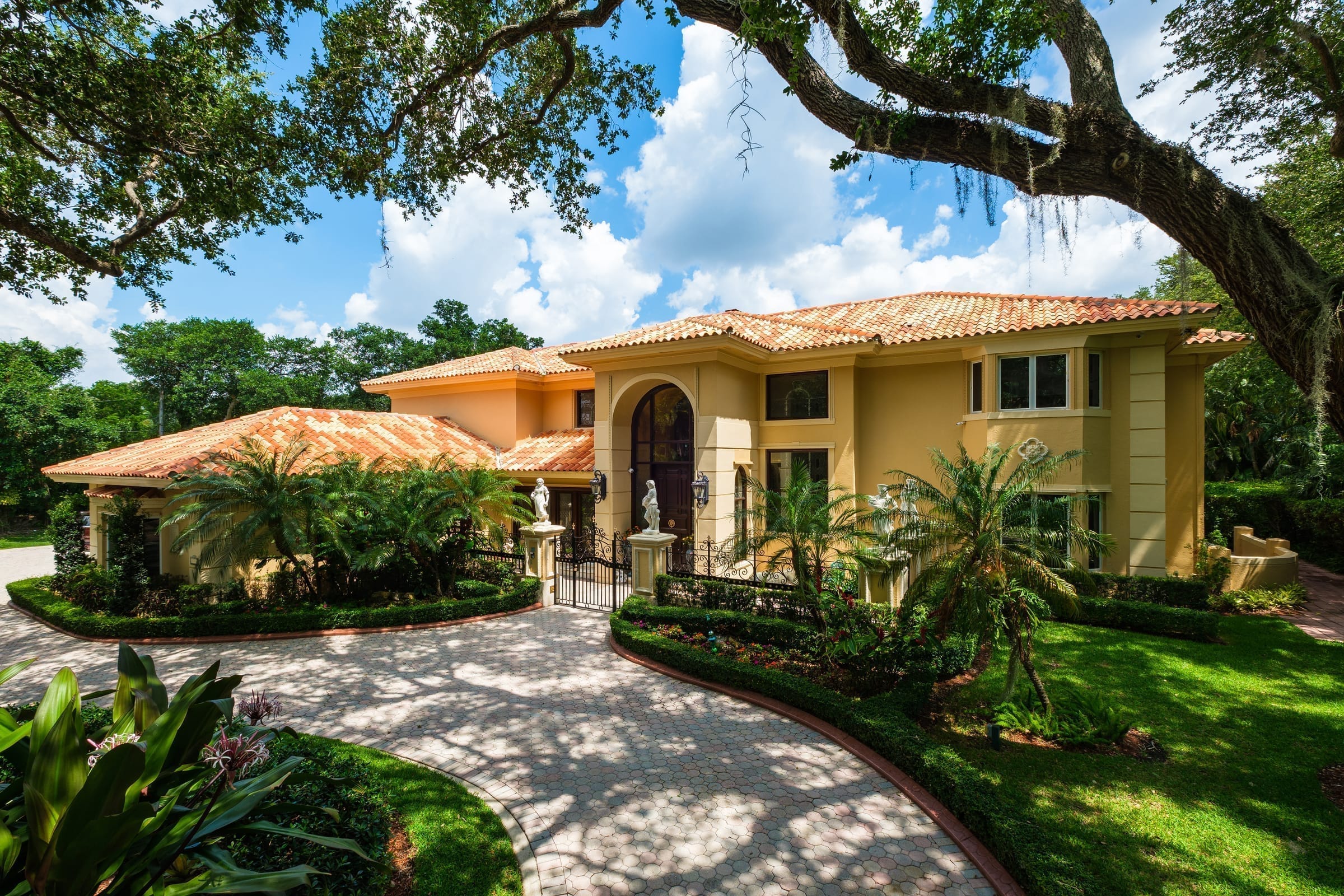
Most Florida homeowners with a mature live oak on their property dramatically underestimate what the tree is worth. The actual number, calculated using methods accepted by insurance companies, courts, and real-estate appraisers, is usually surprising — often higher than the cost of the largest tree-removal job you'd ever pay for, sometimes higher than significant home renovations.
Here's how the number gets produced and why it's worth knowing.
The Trunk Formula Technique (industry standard)
The International Society of Arboriculture (ISA) publishes the Guide for Plant Appraisal, which establishes formal methods for tree valuation. The most commonly used method for mature trees is the Trunk Formula Technique (TFT): basal trunk area times species rating times condition rating times location rating, with adjustments for size and age.
For a 36-inch DBH (diameter at breast height) live oak in good condition, in a high-value Southwest Florida residential location, the formula typically produces values in the $25,000–$50,000+ range. Larger heritage specimens can exceed $100,000.
What drives the number up
- Trunk diameter — basal area scales with the square of diameter, so a 48-inch DBH tree is significantly more valuable than a 24-inch tree of the same species.
- Species — live oak rates near the top of Florida species ratings; sabal palm, magnolia, bald cypress are also high. Water oak and queen palm rate much lower.
- Condition — healthy, structurally sound specimens get higher condition multipliers than declining or damaged ones.
- Location — trees in high-value residential, commercial, or visible-public locations get higher location multipliers than trees in less-prominent settings.
When the number matters
Tree appraisal isn't an academic exercise. The formal valuation matters in several practical situations:
- Insurance claims — when a covered storm event damages or destroys a mature tree, the property owner can sometimes recover the appraised tree value (or a portion of it) under landscape coverage. Without a formal appraisal, the typical coverage caps make this less useful.
- Real-estate transactions — heritage trees materially affect property value. A buyer's appraiser may not specifically value the tree; a seller's formal arborist appraisal can establish the asset in negotiations.
- Tree-fall liability — if a neighbor's tree damages your property, the value of any of your trees lost in the same event matters for damages calculation.
- HOA disputes — when an HOA wants to remove a heritage tree from common area, the appraised value of the tree is part of the cost-benefit conversation.
- Construction damage — pre-construction appraisals establish what's at stake when a builder asks for accommodation that affects tree root zones.
- Eminent domain / takings — when government action affects mature trees on private property, formal appraisal supports the takings claim.
The real-estate research
Academic studies have consistently found that mature canopy adds measurable value to residential property prices. The range varies by study but commonly lands in the 5–15% premium for properties with mature heritage tree canopy versus comparable properties without. In high-value SW Florida neighborhoods that recognize canopy (Hyde Park in Sarasota, McGregor in Fort Myers, downtown Punta Gorda), the premium runs at the higher end of that range.
“A mature heritage live oak on a Florida lot is one of the few residential assets that appreciates purely with time — and is irreplaceable on any human timeline.”
Who can do a formal appraisal
Formal tree appraisals require credentials — typically an ISA-certified arborist with appraisal training, or a registered consulting arborist (RCA). The credentialed report is what insurance carriers, courts, and real-estate appraisers accept. For homeowner-level peace-of-mind valuation, a less formal estimate from any experienced tree-service company can give you the ballpark; for legal or insurance purposes, get the credentialed report.
We can do the practical assessment and refer you to a credentialed arborist for the formal report when the situation requires it.
Frequently asked.
Will my homeowner's insurance cover the value of a tree damaged in a storm?
Most homeowner policies have a per-tree cap on landscape coverage (often $500–$1,000) that's far below the actual appraised value of a mature heritage specimen. For property owners with significant heritage trees, additional landscape coverage or a scheduled-landscape rider is sometimes available — worth discussing with your insurance agent.
How much does a formal tree appraisal cost?
Typical fees from credentialed ISA arborists run in the low-to-mid four figures for a comprehensive single-tree formal appraisal with written report. For multiple trees or full-property landscape appraisal, costs scale up. For insurance or legal purposes, the report cost is usually a small fraction of what's at stake.
Does a heritage tree affect my property tax appraisal?
Generally no — the heritage designation itself doesn't change the property's assessed value for tax purposes. It may marginally affect market value (usually positively), which over time can affect the appraisal, but there's no direct heritage-tree tax. Heritage designation is regulatory, not fiscal.
Got a specific tree you want to talk about?
Send a few photos and we'll come back with a real written quote — or just a second opinion.