Hurricane Charley, 20+ Years Later: The Punta Gorda Canopy Now
August 13, 2004. A Cat 4 took a hard right turn at the last minute and put Charlotte Harbor directly in its path. Two decades later, the recovery story is in the trees — and it's worth knowing before the next hurricane.
On the morning of August 13, 2004, Hurricane Charley was forecast to hit Tampa. By the afternoon, it had taken a hard right turn — sustained winds of 150 mph, eye crossing Captiva and Cayo Costa, then making landfall near Punta Gorda. Charlotte County took a direct hit from a major hurricane that nobody had been planning for at full strength even 12 hours earlier.
Two decades later, the recovery is mostly visible only to people who knew Punta Gorda before. The historic district's canopy looks like it's been there forever. The new construction is everywhere. The trees that were lost are mostly forgotten. But the lessons are still useful.
What survived
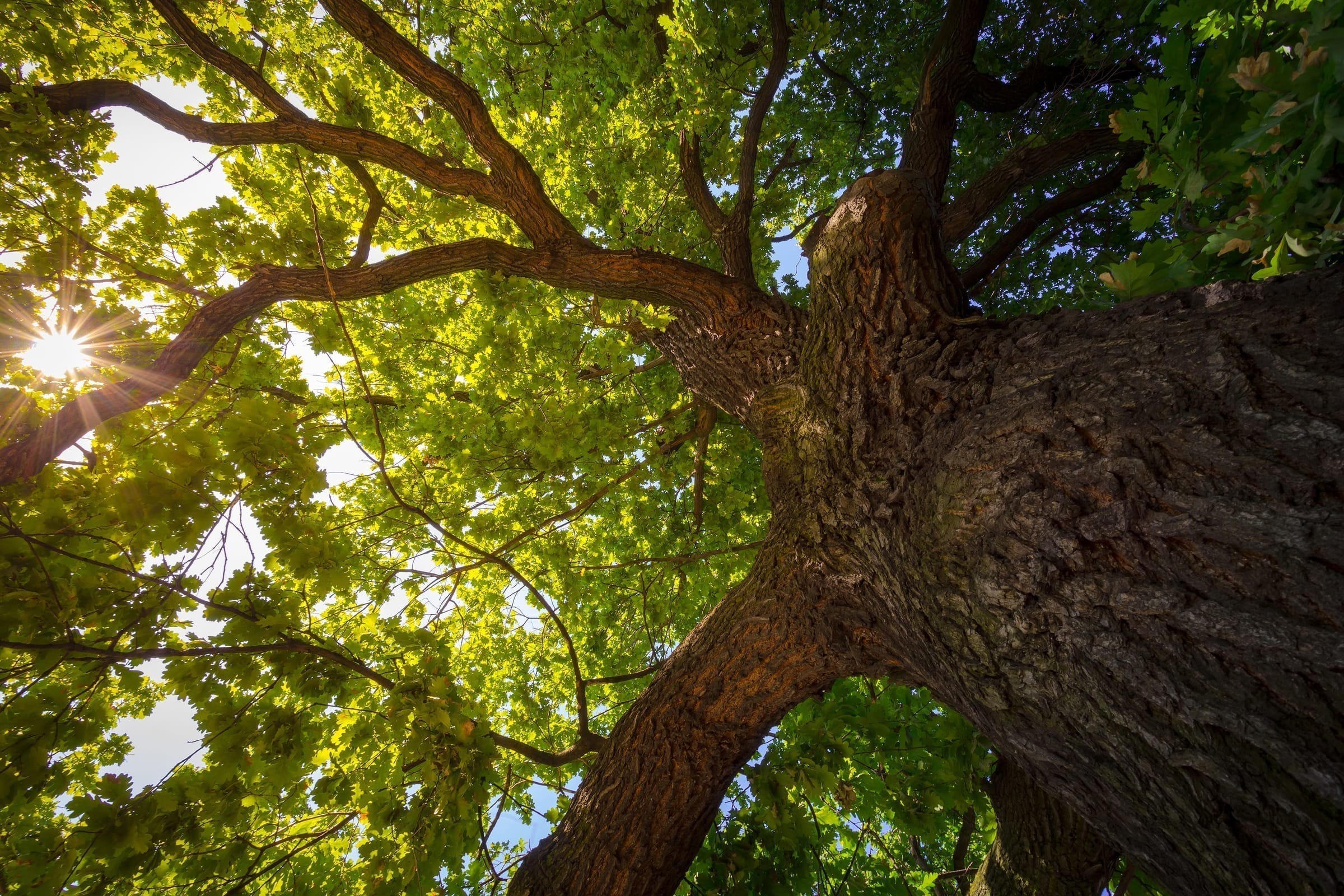
The mature live oaks in Punta Gorda's historic district are the clearest survivors. Many were 100+ years old at the time of Charley and remain standing today — including specimens that took significant canopy damage but recovered over the following decade. The same is true of the mature sabal palms scattered through the older neighborhoods.
These are the species that earned their top-tier wind-resistance ratings the hard way: by surviving a direct Cat 4 hit and being measured again afterwards. The species ranking that came out of Charley's aftermath aligned almost exactly with the rankings after every subsequent major Florida hurricane.
What was lost
- Most of the mature water oaks in Charlotte County — Charley took an enormous toll on the species, and what was left was further reduced by Hurricane Ian in 2022.
- Substantial percentages of the queen palm population on residential lots.
- Many of the Washingtonia palms planted in the 1980s and 1990s.
- Significant portions of the mature slash pine canopy, particularly trees that had been stressed by construction or other factors.
- Most of the Australian pines and melaleucas in the affected area — which was actually positive ecologically (both are invasives).
Recovery patterns: what got replanted
Punta Gorda's 20-year recovery story has been instructive. Homeowners who replanted with live oak, sabal palm, royal palm, and other top-tier species typically have mature canopy now — 15-to-20-year-old trees that have already weathered Ian. Homeowners who replanted with queen palm, water oak, or other lower-tier species have, in many cases, lost the replacements too.
The lesson that emerged from Charley and was reinforced by Ian: when you replant after a storm, your species selection is essentially betting on the next hurricane. The species that survived previous storms are likely to survive the next one. The species that didn't, won't.
“When you replant after a hurricane, your species selection is a bet on the next storm.”
The historic district was the case study
Punta Gorda's historic district has some of the most carefully managed heritage canopy in Florida — and the city's heritage tree ordinance has only gotten stronger since Charley. Walking those streets today, the mature live oak and sabal palm canopy looks essentially unchanged from photographs taken decades ago. The trees that survived Charley have survived Ian and a half-dozen other named storms since.
It's not luck. It's species selection plus structural maintenance — annual or biennial pruning on the heritage specimens, deep-root care for stressed trees, careful pre-construction protection during the rebuilding waves after both major storms.
Frequently asked.
Are the original Charley-survivor trees in Punta Gorda special?
Not particularly — they're well-cared-for live oaks and sabal palms, the same species that survive major hurricanes wherever they grow. The Punta Gorda historic district's standout feature is the concentration of mature specimens in well-managed condition, not any genetic uniqueness. The same approach works in any Southwest Florida neighborhood willing to plant the right species and maintain them well.
How did Charley and Ian compare?
Both Cat 4 hurricanes; both direct hits on Charlotte County (Charley 2004) or adjacent Lee County (Ian 2022). Ian's storm surge was much more destructive than Charley's; Charley's wind damage was particularly severe because of the rapid intensification and tight wind field. Both produced similar species rankings in tree damage: live oak and sabal palm survived, queen palm and water oak fell. The lessons are consistent across both storms.
Got a specific tree you want to talk about?
Send a few photos and we'll come back with a real written quote — or just a second opinion.