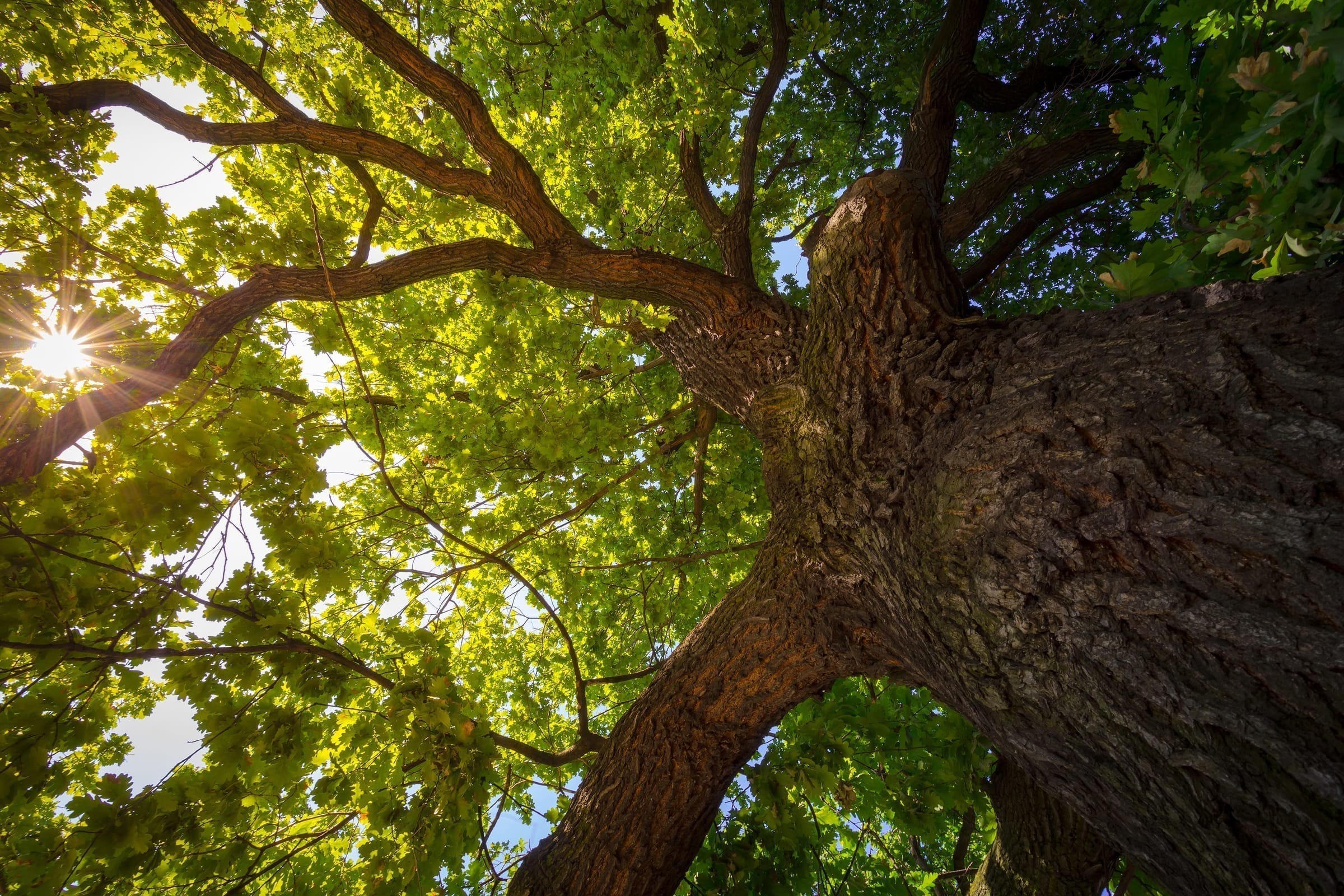
Heritage Tree Designation
What it means, how to nominate one, and the protections it provides.
PUBLISHED May 12, 2026
'Heritage tree' is a regulatory designation applied by local jurisdictions in Southwest Florida to specific mature trees worth protecting. The designation typically attaches to trees above a defined DBH threshold (varies by city/county), with extra protections for species considered ecologically or culturally significant — primarily live oak.
Designation matters: it changes what you can do with the tree, what permits are required for any work, and in some cases what the tree contributes to property value.
How designation works
Most SW Florida jurisdictions apply heritage status automatically based on size, not by individual nomination. The classic example: a live oak above a defined DBH (often 20–24 inches in residential settings) is heritage by default in many local codes. Some jurisdictions also accept individual nominations for exceptional specimens regardless of size.
Sarasota County, the City of Sarasota, Venice, Punta Gorda, Sanibel, Bonita Springs, and several other SW Florida jurisdictions have heritage-tree provisions in their local ordinances.
What designation actually protects
- Removal requires a permit, which is often denied for healthy heritage specimens.
- Heavy pruning (above a defined percentage or removing structural limbs) typically requires permit review.
- Tree-protection requirements during construction are stricter — usually a critical-root-zone fence with verified compliance.
- Mitigation requirements if removal is permitted — usually replacement-planting at specified ratios.
Owner upside
Heritage trees aren't just regulatory burden — they add measurable property value in markets that recognize mature canopy (most of SW Florida's higher-end neighborhoods do). They also qualify the property for inclusion in some preservation programs, may improve eligibility for certain tax assessments, and provide documentation that helps in real-estate transactions and insurance disputes.
Properly maintained heritage trees often outlast multiple cycles of ownership and renovation, making them a genuinely long-term asset class — one of very few real-estate features that appreciate purely with time.
Frequently asked.
How do I check if my tree is heritage-designated?
Two paths: check the property record for explicit individual designation (sometimes recorded), and check the applicable local tree ordinance for automatic-designation thresholds (DBH-based). Many live oaks meet automatic designation without explicit listing. We check both as part of any quote on a mature oak.
Can I remove the heritage designation?
Generally no — heritage status is set by the jurisdiction's ordinance, not the property owner's preference. Removal of the tree itself is the only path, and that's usually only permitted for hazard, disease, or in conjunction with development under specific conditions with mitigation requirements.
Does heritage status increase my property taxes?
Generally no — the designation itself doesn't change the property's assessed value for tax purposes. It may marginally affect market value (usually positively, in canopy-valuing neighborhoods), which can over time affect the appraisal, but there's no direct heritage-tree tax.
Got a question on your specific tree?
Articles are useful, but a real photo bid gets you a species-specific answer for your property in writing.