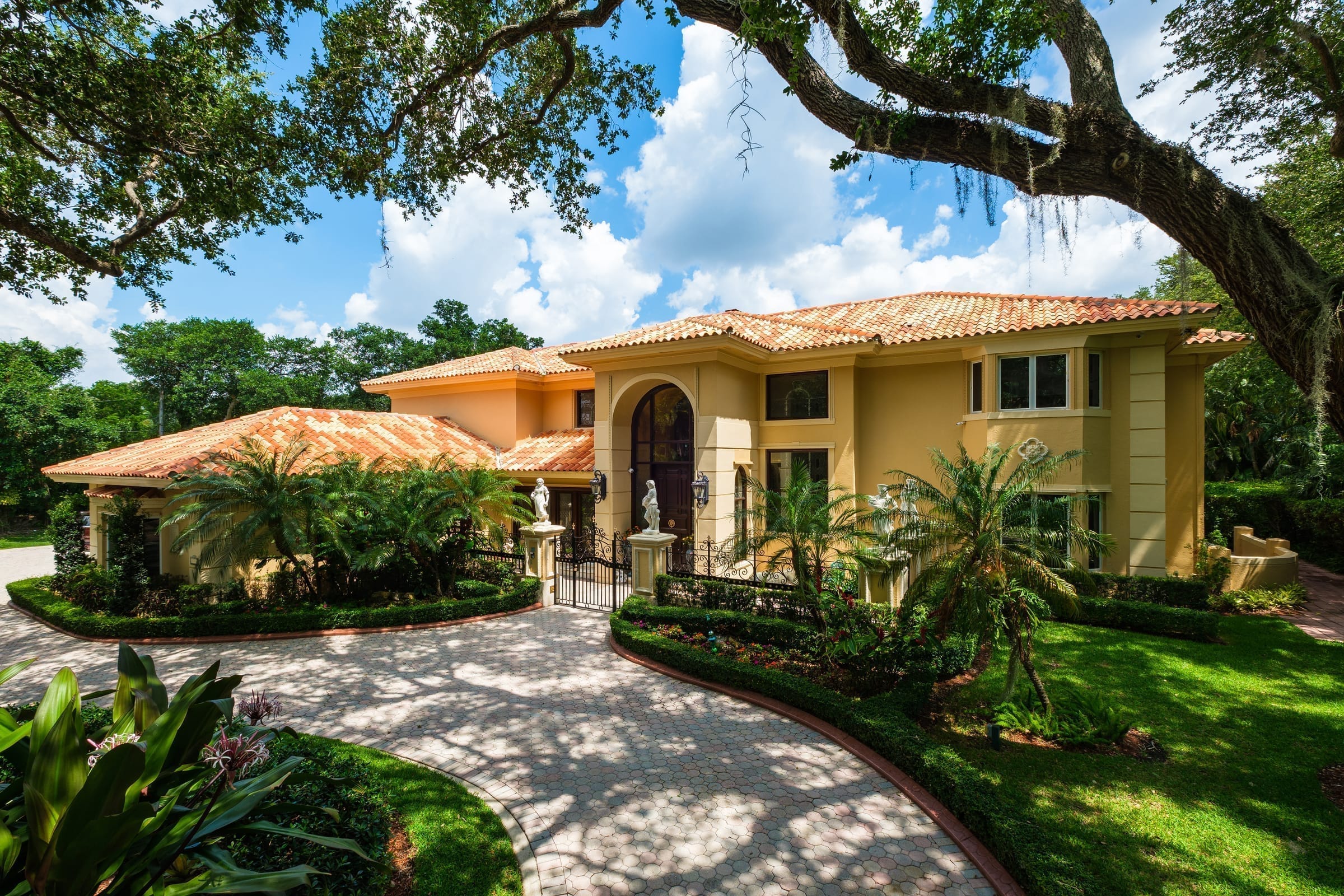
Buying a Home With Big Trees: What to Check
What a tree inspection during due diligence catches that a home inspector won't.
PUBLISHED May 12, 2026
Mature trees can add or subtract tens of thousands of dollars from the practical value of a Florida home — and they're almost never inspected during the standard due-diligence process. Home inspectors check the structure, the systems, the roof. They don't climb mature oaks, identify species, or assess wind risk. That gap is where surprise tree costs come from in the first year of ownership.
A tree-focused due-diligence walk costs little, takes an hour, and can change your negotiating position. Here's what to look for.
What to check during the inspection period
- Species inventory — what is on the property? Live oak, sabal palm, royal palm, gumbo limbo are assets. Queen palm, water oak, Washingtonia, Brazilian pepper are liabilities.
- Condition of each mature tree — visible decay, conks, oozing, sparse canopy, recent lean.
- Proximity of mature trees to structures — anything within fall-distance of the house is a deal-significant consideration.
- Pre-existing storm damage that wasn't fully addressed — split crowns, partial root-plate lift, broken limbs still in the canopy.
- Heritage / protected designations — some live oaks come with permit restrictions that the seller may not have disclosed.
Red flags worth negotiating around
- Mature queen palms within fall-distance of the house — these are the single most common 'first-year removal' surprise. Often $1,500+ each.
- Visible fungal conks on any mature trunk — significant internal decay, replacement cost coming.
- A leaning tree that's clearly a recent change (look for fresh soil disturbance at the root plate) — root failure indicator.
- Brazilian pepper, Australian pine, or melaleuca on the property — these need removal and have specific disposal requirements; budget for it.
- Trees overhanging the roof with dead limbs — gutter and roof-damage issue within 1–2 years.
Heritage trees as an asset
A genuinely healthy mature live oak is a multi-decade asset that can't be replicated in the buyer's lifetime — and many SW Florida heritage-tree neighborhoods (Hyde Park in Sarasota, McGregor in Fort Myers, parts of Punta Gorda) carry premium home values specifically because of the canopy. If the home you're buying has heritage live oaks, ask if any are registered or designated; this can both protect your investment and limit your ability to remove them.
Frequently asked.
How much does a pre-purchase tree inspection cost?
Typically a few hundred dollars for a thorough on-site assessment with written report, covering all mature trees on the property with species ID, condition rating, and risk-recommendation summary. Less than a home inspector's fee; potentially worth far more in negotiating leverage or avoided post-close surprise.
Can I make the seller pay for tree work as a contingency?
Often yes — a tree-focused inspection report identifies specific risks the seller usually wasn't aware of (or wasn't disclosing). Hazardous trees within fall-distance of the structure are typically negotiable; aesthetic preferences are not. Your realtor will know how to frame the request.
What's the single biggest red flag?
A mature queen palm leaning toward a roof. They fail predictably in storms, removal runs $1,500–$3,500 per palm, and many homeowners discover the problem in their first hurricane season. If the property has them in critical positions, factor removal cost into your offer.
Got a question on your specific tree?
Articles are useful, but a real photo bid gets you a species-specific answer for your property in writing.